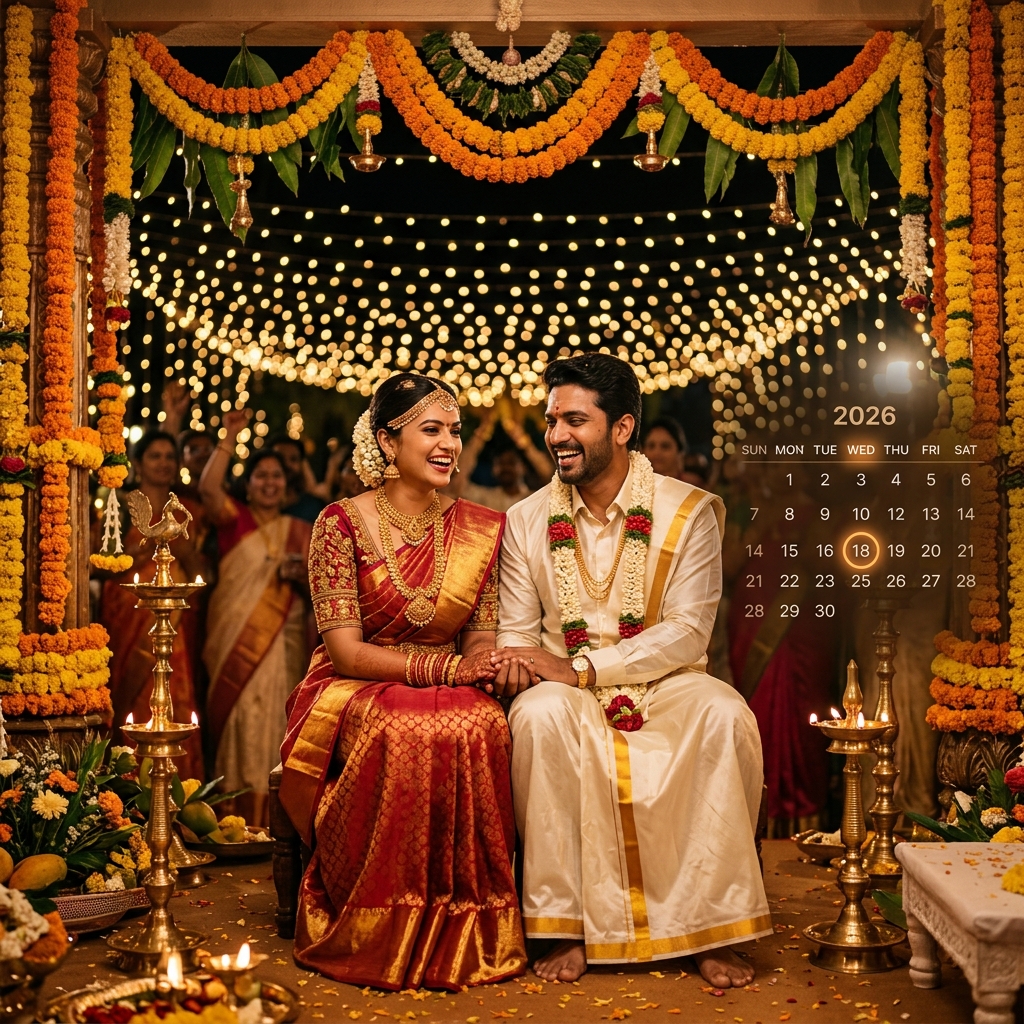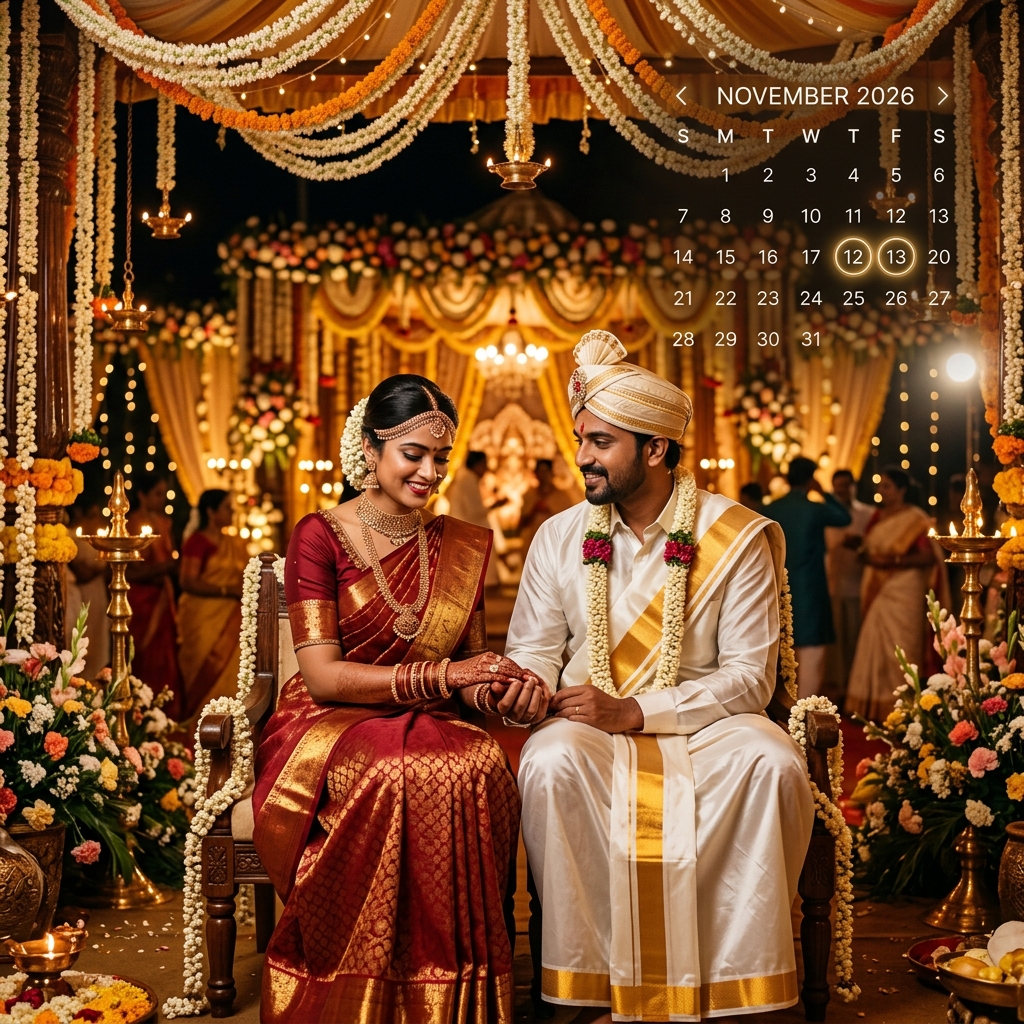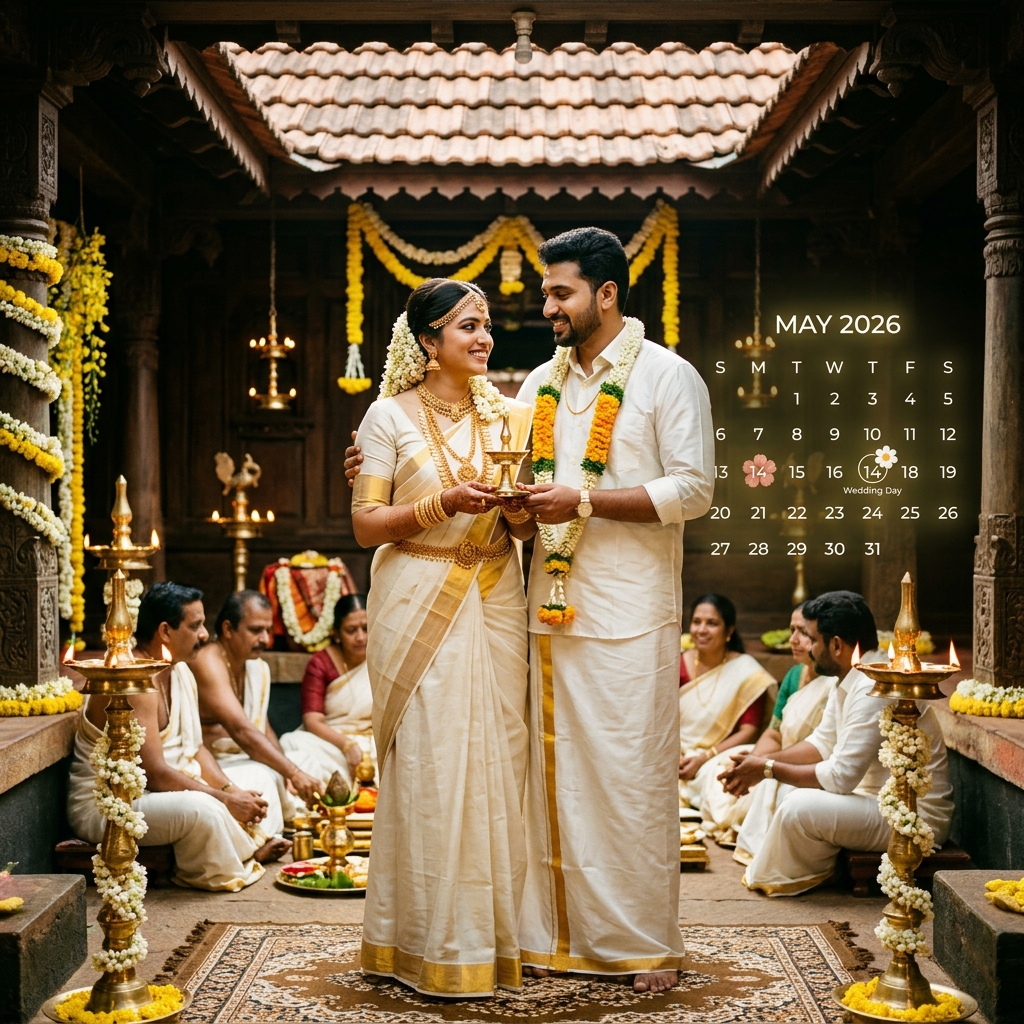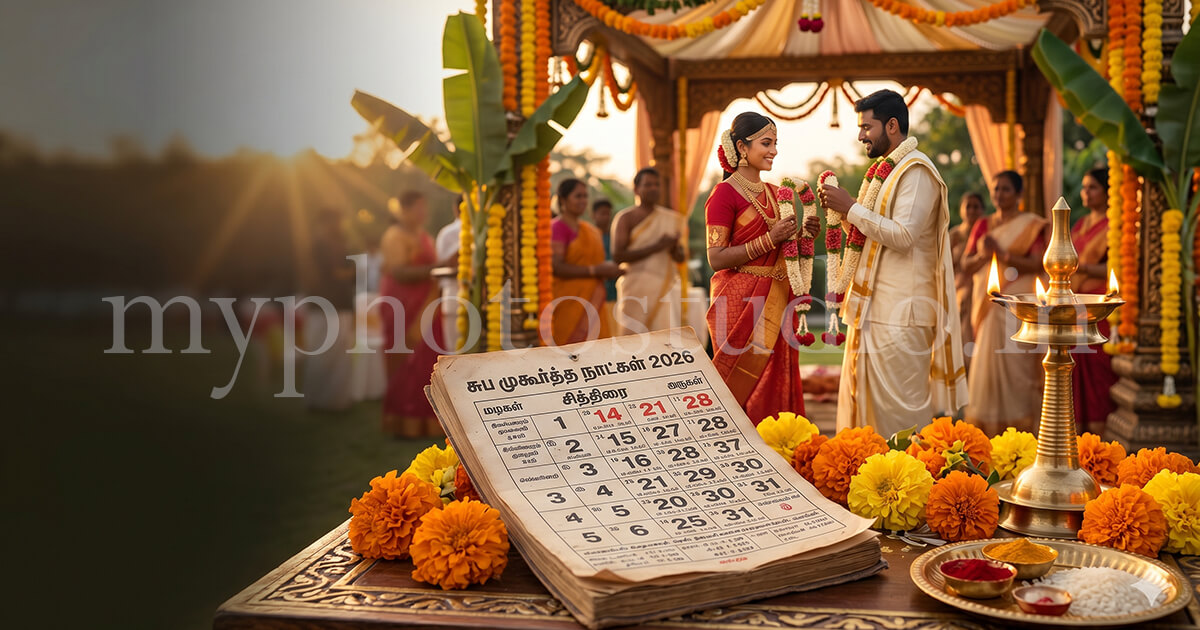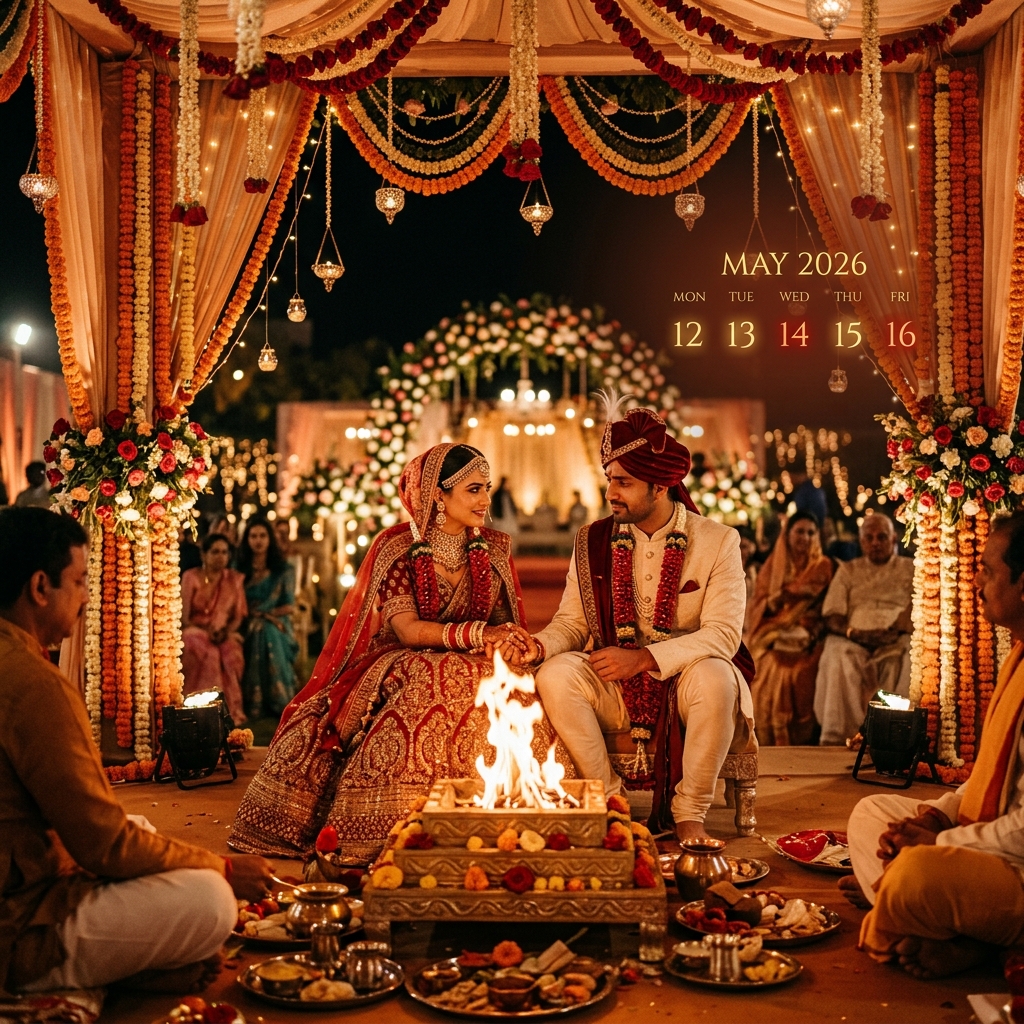
Every wedding photographer working in Uttar Pradesh, Delhi NCR, Rajasthan, Madhya Pradesh, Bihar, Punjab, or Haryana knows what happens after the monsoon ends. September is quiet. October brings a handful of Navratri enquiries. Then Dev Prabodhini Ekadashi arrives in late October or early November - and within a week your phone is ringing non-stop. December and November weddings book up fast. Margashirsha season hits like a wave.
This is not random. It follows the Hindu Panchang calendar precisely. North Indian families select wedding dates by consulting a local Pandit who uses the Panchang to identify Shubh Muhurat - an auspicious date and time window where the Tithi, Vaara, Nakshatra, and Yoga align favourably and inauspicious periods like Rahu Kaal are avoided.
The most important timing event in the North Indian wedding calendar is the Dev Shayani to Dev Prabodhini Ekadashi cycle - a roughly four-month window during which Vishnu is said to sleep, and during which traditional Hindu weddings essentially stop. This single religious cycle creates the most dramatic peak-to-off-to-peak pattern in the wedding photography calendar across North India.
This guide covers the 2026 Hindi muhurtham and Shubh Vivah Muhurat season month by month for photographers across North India.
What is Shubh Vivah Muhurat?
Vivah Muhurat (also written Muhurtham or Muhurti) is the auspicious date and time selected for a Hindu wedding ceremony. In North Indian tradition, the Pandit examines the Janam Kundali (birth chart) of both the bride and groom, checks for Kundali Milan (compatibility in 36 gunas), and then identifies dates from the Panchang where the planetary positions are favourable.
Unlike South Indian traditions where the ceremony time window may be as short as 45 minutes, North Indian weddings often have more flexibility in timing, though the Saat Pheras (seven rounds of the sacred fire) must still happen within the muhurat window. The Pandit will specify an auspicious time for the ceremony, often printed on the wedding invitation.
For photographers, the practical consequence is significant: the four-month Dev Shayani period eliminates weddings almost entirely from July through October, and then a massive surge happens in November through February when all the families who waited compress their bookings into the same window.
2026 Hindi Shubh Muhurat Wedding Season - Month by Month
Magha Masam and Basant Panchami - January to February 2026 ⭐ Peak Season
The 2026 wedding season opens with the Magha masam period carrying forward from December 2025. Magha is a very auspicious month for North Indian weddings. Basant Panchami in 2026 falls on February 2, 2026 - the fifth day of the bright fortnight of Magha, which marks the arrival of spring and is considered highly auspicious for marriage ceremonies. Weddings on Basant Panchami require no additional muhurat calculation as the date itself is considered self-auspicious.
January and February 2026 see significant wedding volumes across UP, Delhi NCR, Rajasthan, and MP. This is the tail end of the winter wedding season that began in November 2025.
Photographer implication: If you are reading this in early 2026, your January-February weekends should already be booked. Open March and April for Vaishakha season now.
Phalguna Masam - February to March 2026 ⚠️ Declining
Phalguna has muhurat dates but the season begins to wind down. The last two weeks of Phalguna are affected by Holashtak - the eight days before Holi during which many North Indian communities avoid auspicious ceremonies including weddings. Holi in 2026 falls on approximately March 5, 2026, making Holashtak run from approximately February 25 to March 4. No weddings during this period.
Post-Holi (from March 6 onwards), there are a few dates in late Phalguna and early Chaitra before Navratri begins.
Chaitra Masam and Navratri - March to April 2026 ⚠️ Limited
Chaitra masam begins with Gudi Padwa and Chaitra Navratri. The nine days of Navratri are observed for worship and are generally avoided for weddings. Chaitra Navratri in 2026 runs from approximately March 19 to March 27, 2026. Ram Navami on March 27 closes the Navratri period. Most North Indian families avoid wedding ceremonies during Navratri.
The window between Navratri and the start of Vaishakha is a transitional period with limited muhurat dates.
Vaishakha Masam and Akshaya Tritiya - April to May 2026 ⭐ Peak Season
Vaishakha masam is one of the most auspicious months in the Hindu calendar, and within it, Akshaya Tritiya on April 29, 2026 is the single most important wedding date of the year for North Indian photographers. Akshaya Tritiya is self-auspicious - the Panchang considers the entire day favourable without requiring a specific muhurat window. This means weddings happen at any time of day, from early morning to late evening.
The result is extraordinary concentration. On Akshaya Tritiya, cities like Varanasi, Jaipur, Lucknow, Bhopal, and Delhi see thousands of weddings on a single day. Photographers who are not booked for April 29 by January are likely to find it unavailable.
The surrounding days - April 27 to May 4 - also see elevated wedding activity as families try to stay close to the auspicious Tritiya energy. Vaishakha as a whole has a strong spread of muhurat dates through mid-May.
Photographer implication: April 29 (Akshaya Tritiya) is your most premium date of the year. Charge accordingly. Open Vaishakha bookings by January and collect deposits before February. By March, Vaishakha weekends should be filling fast.
Jyeshtha Masam - May 16 to June 15, 2026 ✅ Moderate
Jyeshtha masam has muhurat dates and a moderate volume of weddings. Families who missed Vaishakha dates often target Jyeshtha. The heat in most North Indian cities in May-June does not stop weddings - banquet halls and marriage palaces are air-conditioned, and evening ceremonies are standard. Booking activity is steady but lower than Vaishakha or Margashirsha.
Dev Shayani Ekadashi - July 2026 ❌ Wedding Season Pause Begins
Dev Shayani Ekadashi in 2026 falls on approximately July 7, 2026 (Ashadha Shukla Ekadashi). On this date, Lord Vishnu is said to enter Yoga Nidra (divine sleep), and traditional North Indian Hindu families stop conducting weddings until he awakens. This begins the Chaturmas period - four sacred months during which major life ceremonies including weddings are paused.
From early July, wedding enquiries effectively stop for the next four months. Families who are planning weddings know they must either complete the ceremony before Dev Shayani or wait until after Dev Prabodhini Ekadashi in October-November.
Photographer implication: Use this four-month window productively. Clear editing backlogs. Deliver pending albums. Set up or upgrade your studio management system. Explore corporate event photography, school events, and portrait sessions to keep revenue flowing through August, September, and October. This is also the best time to open advance bookings for Margashirsha and Pausha - families start planning their post-Dev-Prabodhini weddings months in advance.
Ashadha, Shravana, and Bhadrapada - July to September 2026 ❌ Off Season
Three consecutive months with essentially no traditional Hindu weddings. Shravana masam (July 14 to August 12) is sacred to Lord Shiva and involves fasting, temple visits, and Kanwar Yatra in North India. Rakshabandhan falls in Shravana on August 9, 2026 - a family celebration that creates demand for portrait and family function photography.
Bhadrapada brings Janmashtami (August 16, 2026) - celebrated intensely in UP, Mathura-Vrindavan, and Delhi NCR - and Ganesh Chaturthi (August 27, 2026). Both events generate event photography demand even as the wedding calendar remains paused.
Pitru Paksha (the ancestral fortnight) falls in Bhadrapada-Ashvina, typically in September 2026. No auspicious ceremonies are conducted during Pitru Paksha regardless of other calendar factors.
Ashvina Masam and Navratri - September to October 2026 ⚠️ Still Off
The second round of Navratri in 2026 (Shardiya Navratri) falls approximately from October 2 to October 10, 2026, ending with Vijaya Dashami (Dussehra) on October 12. Navratri is one of the most celebrated festivals in North India, and weddings continue to be avoided.
Dussehra on October 12 marks the defeat of Ravana and is celebrated with effigies and fairs across North India. Event photography opportunities are significant during this period even with no weddings.
Dev Prabodhini Ekadashi - October 2026 ⭐ Wedding Season Resumes
Dev Prabodhini Ekadashi in 2026 falls on approximately October 31, 2026 (Kartika Shukla Ekadashi). On this day, Lord Vishnu awakens from Yoga Nidra, and the wedding season resumes. Tulsi Vivah is performed on this day or the following day - a symbolic marriage ceremony that opens the wedding season officially.
From November 1 onwards, the wedding season explodes. All the families that have been waiting since July finalise their muhurat and begin booking photographers. The demand that was suppressed for four months concentrates into Margashirsha and Pausha.
Photographer implication: The week after Dev Prabodhini Ekadashi (November 1-7) will see the first wave of urgent wedding bookings. Photographers who opened their Margashirsha calendar in August and collected deposits will be full. Photographers who waited for this moment to start taking bookings will find many dates already gone.
Kartika Masam - October 10 to November 8, 2026 ⭐ Season Opening
Diwali falls within Kartika masam - approximately October 20, 2026. Diwali itself and the preceding Dhanteras and following Bhai Dooj are family celebrations that drive function photography demand. Post-Diwali, once Dev Prabodhini Ekadashi passes, Kartika has a handful of very in-demand muhurat dates. Photographers in North India should price these at peak rates given the suppressed demand finally releasing.
Margashirsha Masam - November 8 to December 8, 2026 ⭐ Peak Season
Margashirsha is the most concentrated wedding month in North India. The Bhagavad Gita's declaration that Lord Krishna is Margashirsha among months gives the masam exceptional cultural weight. Combined with the four-month pent-up demand from Dev Shayani, Margashirsha sees more weddings per week than any other period in the year.
Vivah Panchami in 2026 falls on approximately November 26, 2026 (Margashira Shukla Panchami). This day commemorates the marriage of Lord Ram and Sita and is considered especially auspicious. Wedding concentration on Vivah Panchami and the surrounding weekend is exceptionally high.
Every Saturday and Sunday through November and into early December will see multiple simultaneous weddings in any large city. Photographers in Delhi NCR, Lucknow, Jaipur, Bhopal, Patna, and Chandigarh will find this their busiest stretch of the year.
Photographer implication: Margashirsha weekends should be your most premium-priced dates. Open these in August-September and fill them with deposits before Navratri. By November 1, your Margashirsha calendar should already be 70% full. A photography CRM that tracks which dates are confirmed (deposit paid), which are pending (verbal commitment only), and which are open prevents the common trap of over-promising on Margashirsha dates and then losing two clients simultaneously.
Pausha Masam - December 2026 to January 2027 ✅ Moderate
Pausha masam has muhurat dates, though some families observe Kharmas (Dhanurmasam) restrictions when the sun is in Sagittarius (approximately December 16, 2026 to January 14, 2027). Communities vary on whether they observe Kharmas strictly - in many North Indian families, weddings continue through December with only very conservative families pausing. The period from December 8 to December 16 (pre-Kharmas Pausha) typically has strong wedding activity.
After Makar Sankranti (January 14, 2027), the winter wedding season enters its final stretch with Magha masam muhurat dates through February 2027.
2026 North India Wedding Season Calendar - Quick Reference
Peak Season (highest demand, premium pricing):
January - early February 2026: Magha masam peak
Vaishakha Masam: April 17 - May 16, 2026 (Akshaya Tritiya: April 29)
Kartika post-Dev-Prabodhini: November 1-8, 2026
Margashirsha Masam: November 8 - December 8, 2026 (Vivah Panchami: November 26)
Moderate Season (steady bookings):
Jyeshtha Masam: May 16 - June 15, 2026
Early Pausha: December 8-15, 2026
Off Season (weddings essentially stopped):
Dev Shayani to Dev Prabodhini: approximately July 7 - October 31, 2026
Holashtak: February 25 - March 4, 2026
Navratri periods: March 19-27 and October 2-10, 2026
Pitru Paksha: September 2026
Note: Specific Shubh Vivah Muhurat dates and times within each masam should be confirmed with a local Pandit using the Panchang for 2026. Kundali Milan (horoscope compatibility) between the bride and groom affects which available muhurat dates the Pandit recommends for a specific couple. The dates above for Dev Shayani and Dev Prabodhini Ekadashi are approximate - confirm the exact Gregorian date from a 2026 Panchang. Regional and community variations in observance exist across North India.
The Four-Month Gap - What North India Photographers Should Do
The Dev Shayani to Dev Prabodhini gap is four months of dramatically reduced income for photographers who work only weddings. The studios that maintain consistent annual revenue treat this period differently:
Corporate events: Companies in Delhi NCR, Lucknow, Bhopal, Chandigarh, and Jaipur hold conferences, product launches, award nights, and team outings throughout the year regardless of the religious calendar. A single corporate event contract can equal multiple wedding bookings in value.
School and college events: Annual days, sports days, graduation ceremonies, and cultural programs happen throughout the July to October window. Institutions have budgets and book well in advance.
Festival events: Janmashtami, Ganesh Chaturthi, Navratri dandiya events, and Dussehra generate significant event photography demand. Community organisations book photographers for these celebrations.
Pre-booking Margashirsha: Families start planning November weddings as early as July-August. Studios with a online booking and payment system can collect advance deposits from families who confirm their date months before the season opens - so the calendar is already filling during the off season itself.
Key Takeaways for North India Photographers in 2026
Akshaya Tritiya on April 29 is your single highest-demand date of the year. Price it at your maximum and book it by January.
Dev Prabodhini Ekadashi on approximately October 31 marks the start of your four-month peak sprint. Everything from November 1 through early December is premium season. Your Margashirsha calendar should be substantially booked before this date arrives.
The four-month Dev Shayani gap (July to October) is the biggest revenue challenge for wedding-only photographers in North India. Adding corporate, school, and festival event photography is not optional - it is how North Indian studios survive the off season financially.
And the studio that has its booking, deposit collection, and gallery delivery system running before October 31 - not scrambling to set it up in November when enquiries are already flooding in - is the studio that fills Vivah Panchami weekend at premium rates and ends the 2026 season with zero unpaid balances.
Transform Your Photography Studio Today
Start automatically delivering thousands of event photos directly to your clients using MyPhotoStudio's AI Face Recognition - from ₹1,000 per event.
Start Free TrialLearn about our photography CRM software or view pricing plans.