Most photography studio owners think about revenue in one way: shoot more events. Book more weddings. Accept more school annual days. Fill the calendar. And when the calendar is full, there is nowhere left to grow.
But the studios that grow consistently are not just booking more - they are earning more from every event they already shoot. The same 40 weddings per year, but with three or four additional income streams running quietly alongside the photography work itself.
This guide covers six revenue streams that are already inside your existing workflow. You are probably leaving at least two of them untouched right now.
1. Print Store Revenue from Delivered Galleries
This one is the most immediately actionable. When you deliver wedding photos via a WhatsApp link or a Google Drive folder, guests receive photos in one direction only - you send, they receive, transaction complete. There is no path for them to order anything from you after that.
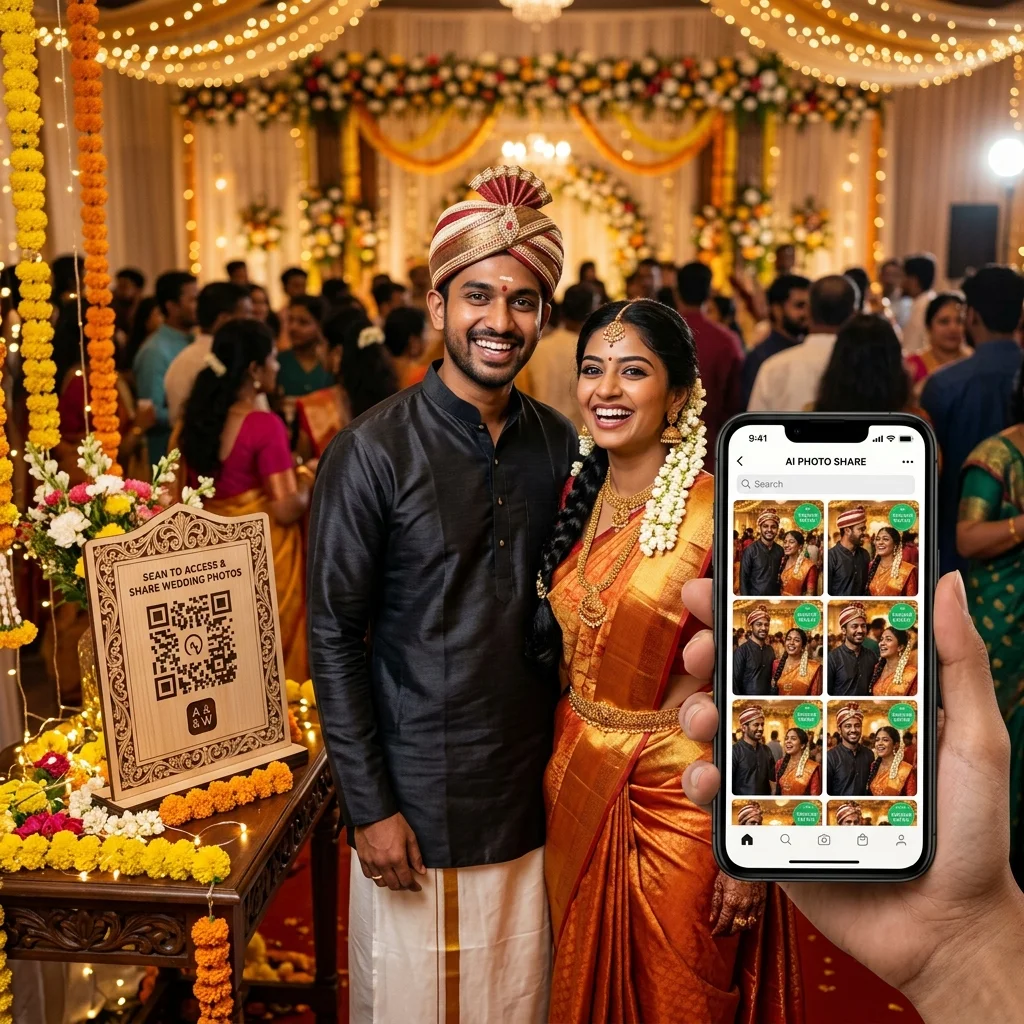
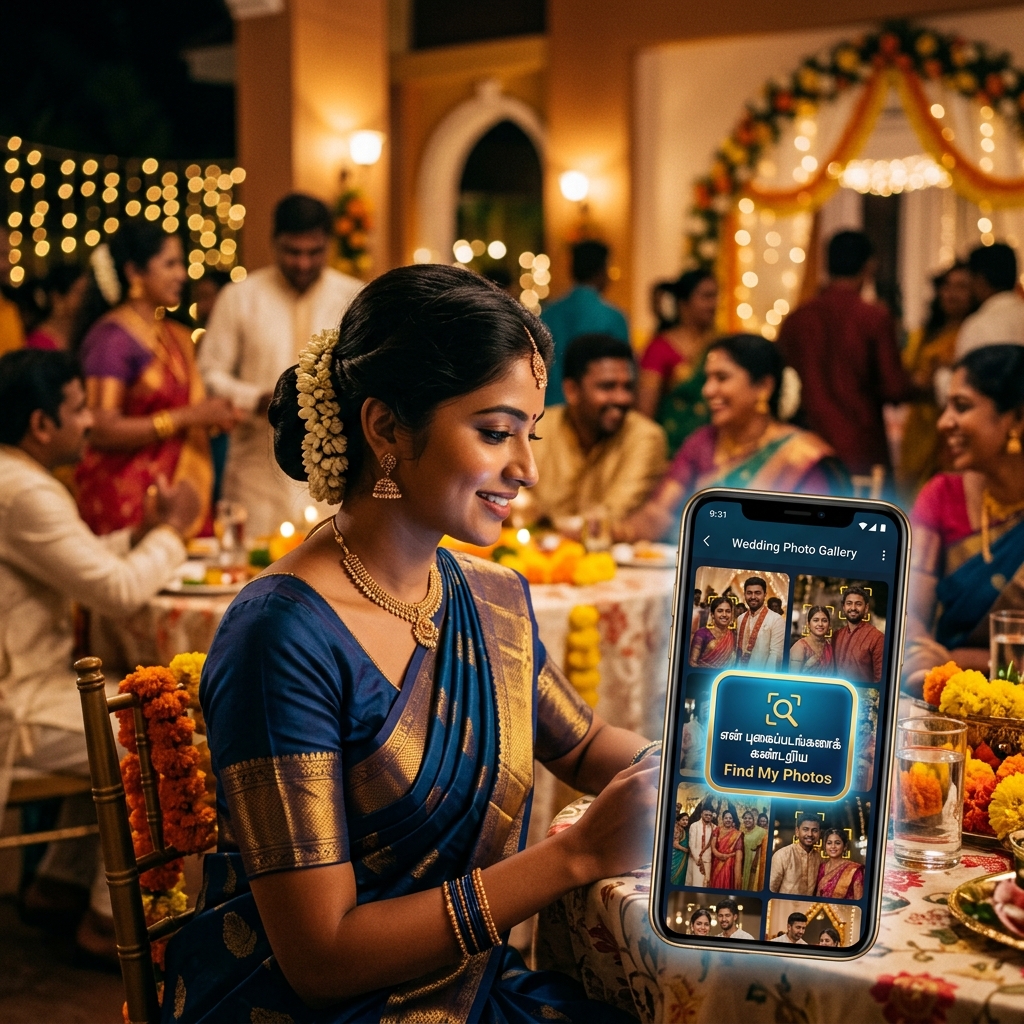
A gallery with a built-in print store is different. Every guest who browses the gallery sees a buy option next to each photo. They pick a size - 4x6, 8x10, canvas print, framed - pay online, and the order lands in your dashboard.
The math is simple. A wedding with 400 guests. If 30 of them order one print each at Rs.150, that is Rs.4,500 from an event where you have already done all the photography work. The editing is done. The upload is done. The only additional effort is printing and delivering the physical orders.
The critical detail is commission structure. Some platforms take 10-15% of every print order as a platform fee. On Rs.4,500 in orders, that is Rs.450-675 that goes to the software company, not you. MyPhotoStudio takes zero commission on print orders - every rupee from guest purchases goes directly to your bank account via Cashfree, Razorpay, or Stripe.
Studios that actively promote the print store option - by mentioning it once in the WhatsApp message that delivers the gallery link - report Rs.1,000 to Rs.3,000 in additional print revenue per event on average. Over 30 events a year, that adds up to Rs.30,000 to Rs.90,000 in revenue that did not exist before.
2. Softcopy Digital Download Sales
Not every guest wants a physical print. But many guests want the digital file - properly - not the compressed version WhatsApp delivers, not a screenshot from someone else's phone.
A softcopy store inside the gallery lets you set a price per photo download. Guests pay that price and receive the high-resolution original file immediately - no waiting, no WhatsApp negotiation, no back-and-forth.
This is particularly effective for specific types of events. Corporate events where employees want their headshots properly. School annual days where parents want their child's individual photos in high resolution. Award ceremonies where the recipient wants the exact moment they received the trophy.
The pricing is entirely at your discretion. Some studios offer softcopies at Rs.50 per photo. Others charge Rs.100-150 for special moments (stage shots, candid reactions). The platform handles collection automatically - you set the price, enable the option, and the orders come in while you are editing the next event.
3. Album and Package Upsells via the Client Selection Portal
Wedding couples and their families often start with a basic package - a certain number of edited photos, delivered digitally. After they see the full gallery and start the selection process, their appetite frequently grows.
A client selection portal changes the dynamic of how couples experience their photos. Instead of scrolling a drive folder and downloading what they want, they are actively choosing photos against a specific count - 150 selects from 1,200 images, for example.
When a client has narrowed down to 148 selects and realises they still have another 30 they love, they are in exactly the right mindset to purchase a selection count extension. Or a physical album. Or an additional fine art print package.
Studios with structured upsell options at the selection stage report that 20-30% of couples upgrade from their original package. This is not hard selling - the client is already invested in their photos and motivated by the selection process itself. The upgrade feels like a solution to a problem they discovered themselves.
The key is having the infrastructure in place. A client photo selection portal that shows the remaining count, sends an automated WhatsApp message when the client is close to their limit, and offers a clear upgrade option. Done manually through WhatsApp, this conversation is awkward. Done through a system, it is a natural and professional transaction.
4. Referral Income from Other Studios
This one is different from the others - it is not a revenue stream from your own clients, but from other photographers you know.
Photography is a community. Most studio owners know at least 10-15 other photographers in their city or state - people they went to school with, met at events, or connected with through photography groups. When you find a tool that solves real problems in your workflow, you talk about it.
MyPhotoStudio has a referral program built directly into the platform. When you refer another studio and they sign up and renew, you earn a discount credit that applies to your own next plan renewal - automatically, with no manual tracking required. The credit applies to every renewal the referred studio makes, not just the first one.
For a studio that refers five photographers in their first year, and each of those studios renews even once - that is five credits that come off your next plan renewal. For studios that refer 10-15 people across a year, the referral credits can effectively eliminate or dramatically reduce their platform costs.
This is not passive income in the traditional sense - but it is real value that compounds quietly in the background while you continue doing what you already do.
5. Repeat Bookings Through CRM Follow-Up
Wedding photography is not automatically a repeat business category. But annual days, birthday events, corporate functions, and family portraits absolutely are. The studio that stays top-of-mind with past clients gets the first call when the next event comes around.
The problem is that most studios have no follow-up system. A client books a school annual day in November. The photos are delivered in December. Six months later, the same school is planning the next year's event - and they call whoever they remember first. If you have not been in touch since December, that might not be you.
A proper CRM stores every client and every event. You can see exactly when each client last booked, what type of event it was, and when a follow-up is appropriate. An automated WhatsApp reminder sent nine months after a school event - "Annual day season is coming up, we have slots available for November" - is genuinely useful to the client and gets you into the conversation before competitors do.
Even without automated reminders, having all your past client data in one searchable system - rather than buried in WhatsApp history - lets you run manual outreach campaigns during the months when your calendar has open slots.
Studios using a photography CRM for client management typically report that 15-25% of annual bookings come from repeat clients. That is not accidental - it is the result of a system that keeps past clients in view and makes following up easy rather than something you have to remember to do yourself.
6. Package Upgrades at the Booking Stage
Most studios offer two or three packages. When a client enquires, the instinct is to send all three options and let them choose. The problem with this approach is that clients almost always choose the middle option - not because it is the best fit for their event, but because the middle feels safe.
A CRM changes how you handle the initial enquiry. When a client books a wedding with 400 guests, the system shows you their event size, and you can recommend the package that genuinely fits - not the cheapest option that gets you the booking, but the complete solution that delivers properly for that event.
Studios that move from a passive "here are our packages" approach to an active "here is what I recommend for your event size and why" approach report average booking values increasing by 15-20%. Clients do not always know that a school annual day with 600 students needs a different delivery setup than one with 200 - until you tell them. When you explain the reasoning clearly, the upgrade sells itself.
The data to make this recommendation confidently lives in your past bookings. If your CRM shows you that every event above 400 guests that used a basic package generated complaints about delivery speed, you can speak to that from experience. That is a genuinely useful conversation - not a sales pitch.
What This Looks Like in Practice
A studio shooting 30 events per year with an average booking value of Rs.15,000 earns Rs.4,50,000 from photography fees. That is the starting point.
- Add print and softcopy revenue averaging Rs.2,000 per event: +Rs.60,000
- Add package upgrades at 20% of events averaging Rs.3,000 extra: +Rs.18,000
- Add 5 repeat bookings at Rs.12,000 each from CRM follow-up: +Rs.60,000
- Add 3 referral credits reducing annual platform costs: -Rs.3,000 (cost reduction)
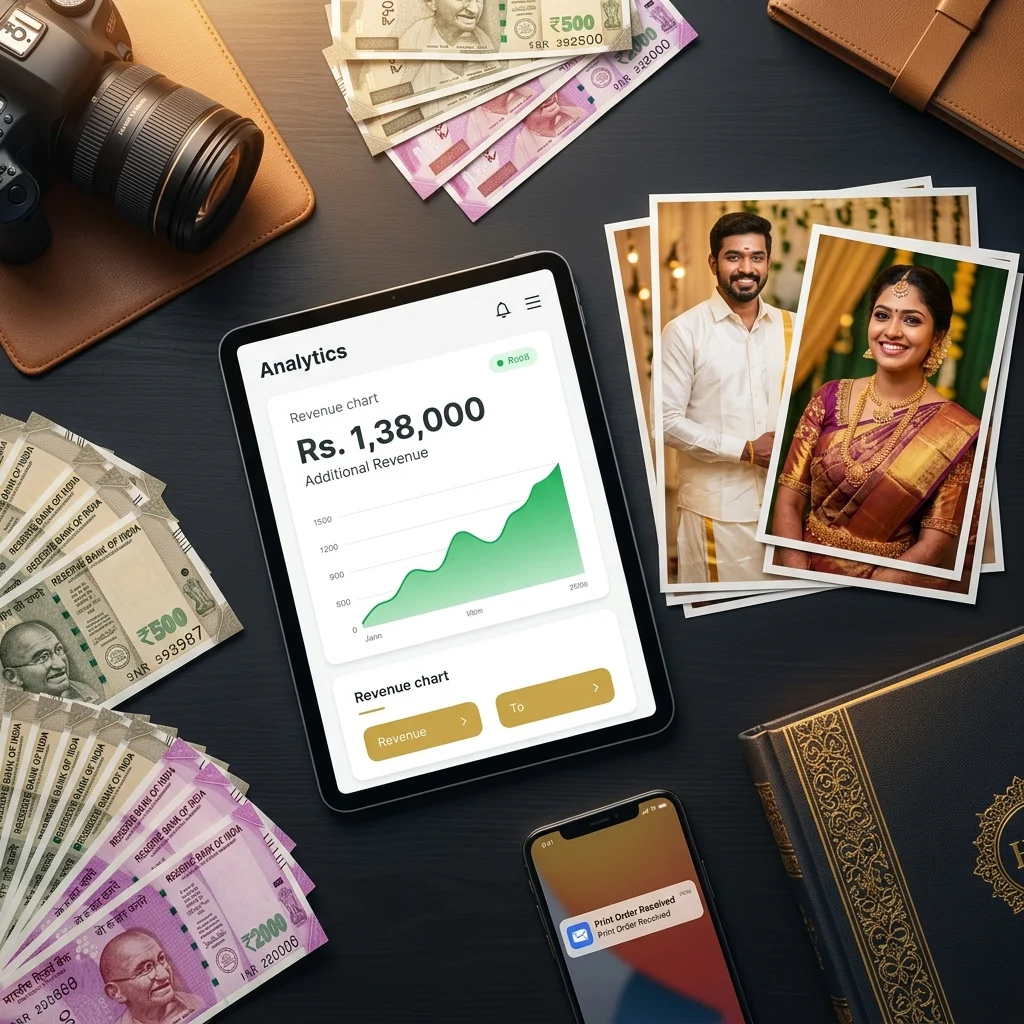
That is Rs.1,38,000 in additional value from the same shooting schedule - roughly a 30% increase in studio revenue without a single additional event booked.
None of these require a skill you do not already have. They require infrastructure - a delivery system with a print store, a client selection portal, a CRM that remembers your past clients and prompts follow-up. The photography work stays exactly the same. The revenue model becomes more complete.
Where to Start
If you are currently delivering photos via WhatsApp or Google Drive, the print store and softcopy revenue streams are not available to you at all. Start there. Move to a gallery platform that includes a built-in store with no commission structure.
If you are already using a gallery platform, check whether it takes commission on orders. If it does, calculate what that has cost you over the last year and compare it against what switching would save.
If you have been delivering through a gallery platform but have not promoted the print option to guests, test one simple change: add a single line to the WhatsApp message you send with the gallery link. Something like "You can also order prints or download individual photos directly from the gallery." That single sentence has measurably increased print revenue for studios that have tried it.
The business of photography is not just the shoot. The studios that grow are the ones that treat delivery, follow-up, and upsell as integral parts of every event - not afterthoughts.
MyPhotoStudio includes all of this - gallery delivery with print store, client selection portal, CRM with client history, WhatsApp automation, and zero commission on all orders - from Rs.1,000 per event. Register your studio free and add the revenue streams your current workflow is leaving behind.
Transform Your Photography Studio Today
Start automatically delivering thousands of event photos directly to your clients using MyPhotoStudio's AI Face Recognition - from ₹1,000 per event.
Start Free TrialLearn about our photography CRM software or view pricing plans.